Three Months Later, The U.S. Still Lacks a Plan in Venezuela
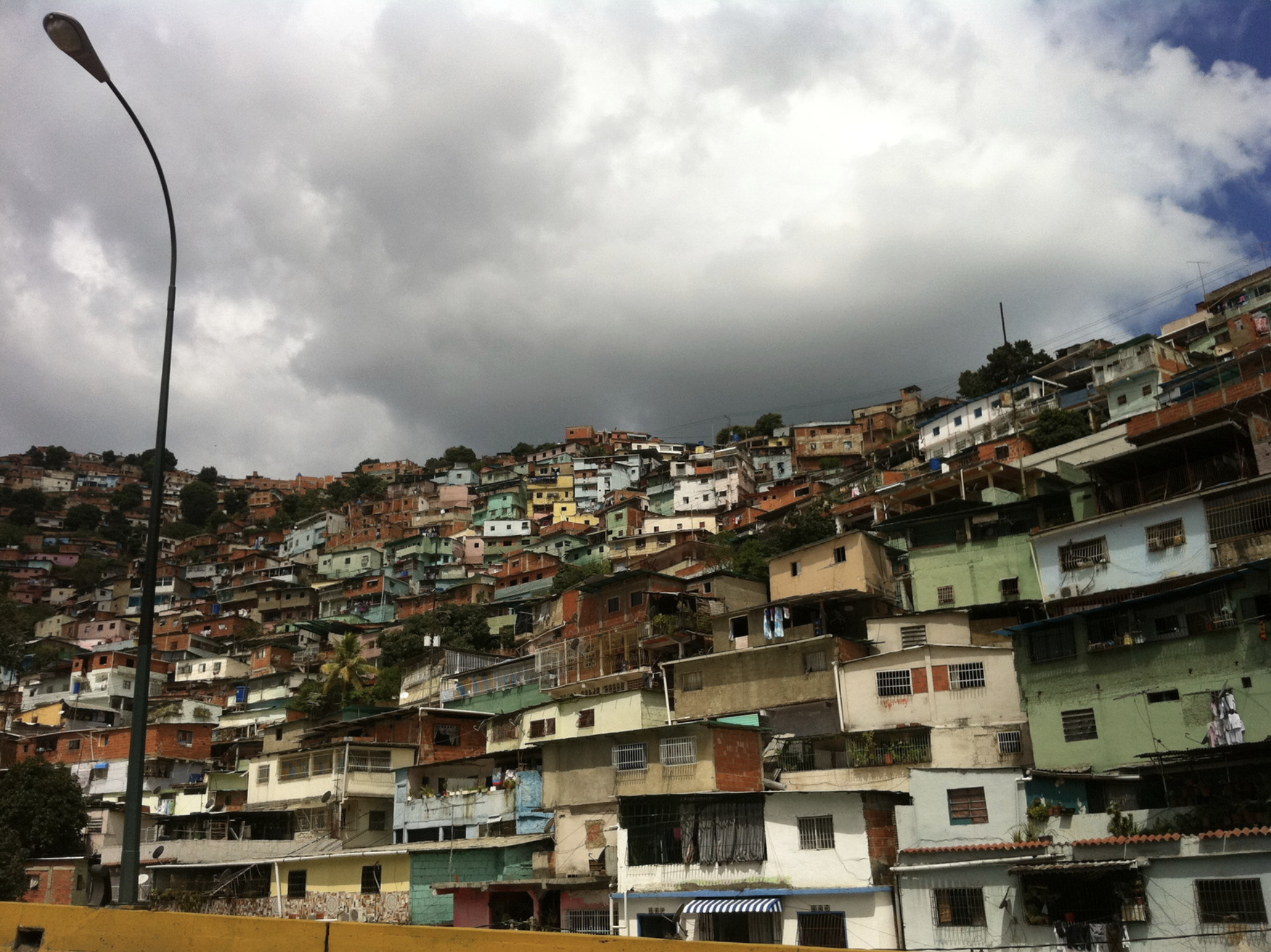
Caracas, Venezuela.
Photo by Anderele, Pixabay.
During any other presidency, a major military offensive to capture a despotic, foreign ruler would serve as a defining moment in history. Nicolás Maduro has spent over a decade ineffectively ruling Venezuela, leaving its people economically ravaged. One-third of the population struggles with food insecurity, and millions of Venezuelans have fled the country.
In reality, so much has happened since the attack on Venezuela on January 3rd, and the American public clearly has other issues on its mind. At the end of the day, Venezuela is better without Maduro. But without a long-term strategy, what comes next for the state?
From the beginning, Trump's military intervention in Venezuela struggled with sour public support and a lack of purpose. Even wars that grow massively unpopular with the general public tend to enjoy support during its initial phases. This "rally around the flag effect" has boosted the approval ratings of George W. Bush during the Iraq War and his father during the Gulf War, but Americans remain uncertain about our role in Venezuela.
Nicolás Maduro and his wife, Cilia Flores, have remained jailed at a detention center in Brooklyn since January after pleading not guilty to charges of narco-terrorism. Maduro appeared in court just last Thursday to discuss whether the Venezuelan government can pay for his defense, but progress is slow.
As Maduro's proceedings in the U.S. stall, Venezuela remains in a state of political turmoil. While there was a clear plan to enter the country and capture the head of state, little attention was paid to the subsequent transition of power. Delcy Rodríguez, Maduro's vice president, quickly took the role of interim president, but has struggled to balance U.S. demands with Venezuelan interests.
Without a doubt, Delcy Rodríguez is no Maduro. But along with the captured president, Rodríguez is the result of a heavily scrutinized, fraudulent election in 2024. In an interview with NBC News, the interim president asserted that Nicolás Maduro is still the legitimate president of Venezuela despite his capture. The overwhelming majority of Venezuelans do not recognize Rodríguez as their new leader, nor do they support Maduro.
Delcy Rodríguez does not represent a fresh start for the Venezuelan people. She is not the leader they elected. And her loyalty with the Venezuelans has grown even thinner. Under the coercion of President Trump, Rodríguez has opened pathways for US oil companies to do business in Venezuela and has ousted all of the nation's Maduro-era military commanders. Trump praised Rodríguez, posting that she is "doing a great job, and working with U.S. Representatives very well." Over and over, Trump has even made the claim that he effectively runs the state.
U.S. oil companies have received the best piece of this entire deal, with new access to the nation's oil sector. Chevron and Shell are currently in the process of negotiating large agreements with the Venezuelan government for oil production, and more development is likely to come. On March 18, President Trump even eased his own sanctions barring business with Venezuela's state-owned petroleum company, opening the business to more Venezuelan oil.
Coincidentally, the current situation in Iran has brought the price of gasoline to the minds of many Americans. Nevertheless, we should not be going to war for oil. The safety of American troops, along with the self-determining rights of the Venezuelan people, do not deserve to be sacrificed for a business deal. Unless the president can offer a stronger justification for his actions in Venezuela, they seem to be misguided.